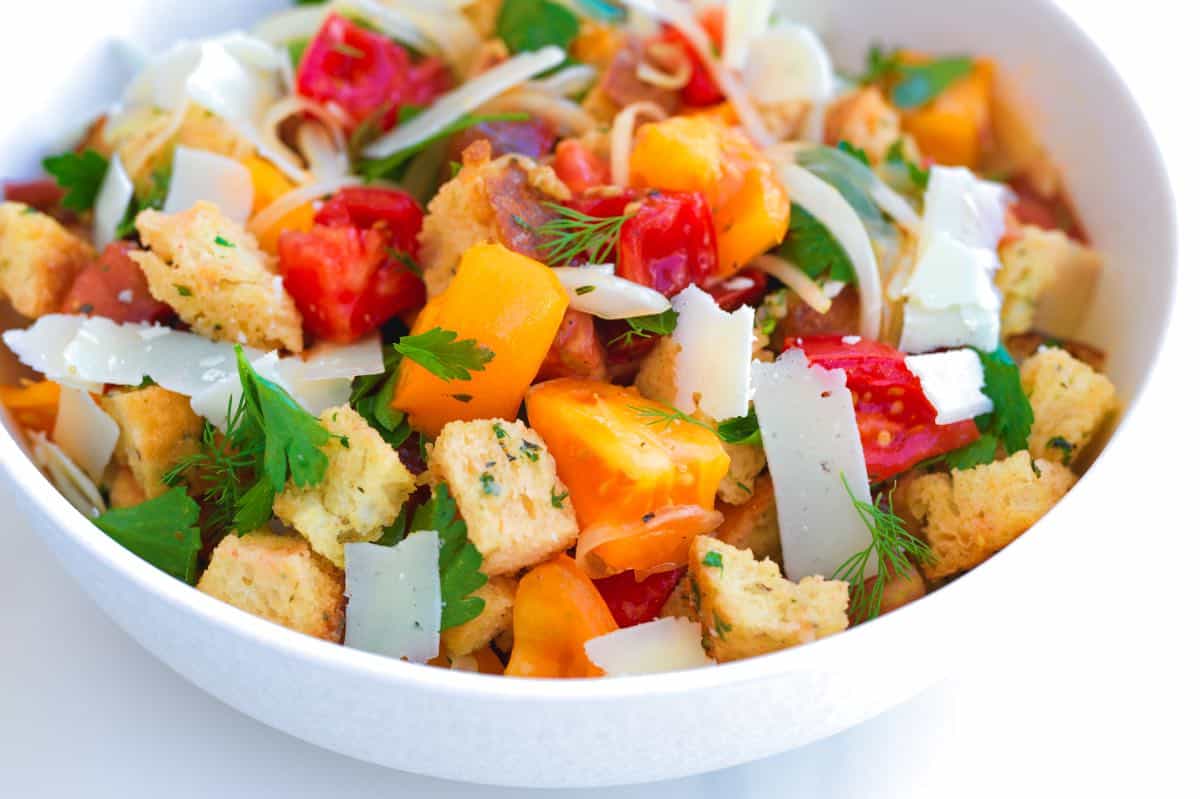
Perfect Panzanella: Essential Tips for the Best Bread Salad Texture
Few dishes capture the essence of summer quite like Panzanella. This traditional Tuscan bread salad, a vibrant medley of ripe tomatoes, fresh basil, and crusty bread, is a testament to the beauty of simple ingredients. While its flavors are undeniably captivating, what truly elevates a good panzanella to a great one is its exquisite texture. It’s a delightful interplay of soft, chewy, and subtly crisp, all brought together by a tangy, olive oil-rich dressing.
But achieving that perfect balance of textures can be a nuanced art. The bread, the star of this show, must be transformed from humble stale pieces into a juicy, flavorful sponge without veering into sogginess. The tomatoes need to be plump and yielding, releasing their juices to mingle with the dressing. Get it right, and every bite of this panzanella salad is a symphony of sensations. Get it wrong, and you might end up with a bowl of mush or overly dry bread. This guide delves into the secrets of mastering panzanella’s texture, ensuring your next bread salad is nothing short of perfection.
The Soul of Panzanella: Understanding Its Bread-Centric Nature
Before we even discuss texture, it’s crucial to understand the very identity of panzanella. Many mistakenly view it as a tomato salad with some bread croutons, but as any Italian culinary enthusiast will passionately assert, Panzanella Explained: More Than Just Tomatoes, It's a Bread Salad. Born out of necessity as a 'cucina povera' (poor kitchen) dish, panzanella salad was traditionally a resourceful way to transform day-old, stale bread into something delicious and nourishing. This foundational understanding dictates everything that follows, especially regarding texture.
This ingenious repurposing of bread is not unique to Italy. Across the Mediterranean, cultures have found creative ways to give leftover bread a new lease on life. Think of the vibrant Lebanese fattoush salad, which utilizes toasted or fried pita bread, or the Spanish gazpacho and Italian ribollita, both bread-thickened soups. Even sweet applications like bread puddings across various cuisines showcase this principle. For panzanella, the bread isn't merely an afterthought; it's the canvas, the absorber, and the primary textural component. Its preparation is paramount, setting the stage for the entire dish. Without the right bread, prepared correctly, the delicate balance of a classic panzanella salad simply cannot be achieved, leaving you with either a crunchy, dry disappointment or a soggy, unappetizing mess.
The Unsung Hero: Selecting and Preparing Your Bread for Optimal Texture
The bread is undoubtedly the most critical component when it comes to panzanella's texture. It needs to be robust enough to hold its structure after absorbing liquids, yet porous enough to become wonderfully tender. Choosing and preparing your bread correctly is the make-or-break step.
- The Right Loaf: Forget soft sandwich bread or overly airy baguettes. The best bread for panzanella salad is a crusty, dense, and chewy loaf with a good crumb structure. Think Italian country bread, ciabatta, or other artisan-style sourdoughs. These breads have the necessary structural integrity to become juicy without disintegrating. They have enough body to offer resistance to each bite, contributing to a satisfying chew.
- The Importance of Staling: Freshly baked bread is a no-go. You absolutely need day-old, or even two-day-old, stale bread. The traditional method involved soaking this stale bread in water, then wringing it out. While some purists still adhere to this, a more modern and equally effective approach for optimal texture is to dry the bread. Tear (don't cut!) the bread into 1-inch to 1.5-inch cubes or rustic pieces. Tearing creates more irregular surfaces, which are better for absorbing dressing and developing varied textures. Spread the torn bread on a baking sheet and let it sit uncovered for several hours or even overnight. This natural air-drying process hardens the bread, preparing it to absorb moisture without instantly turning to mush.
- The Toasting Transformation: This is a game-changer for texture. Before assembling your panzanella salad, toss the dried bread cubes generously with good quality extra virgin olive oil. Then, toast them in a preheated oven (around 350-375°F / 175-190°C) for 8-15 minutes, or until the edges are golden and crisp, but the interior still retains some chewiness. This crucial step achieves a dual textural benefit:
- Crisp Exterior: The olive oil and toasting create a protective, slightly crispy crust on the bread, which helps it withstand the dressing.
- Chewy Interior: The inside remains somewhat soft and porous, acting like a sponge ready to soak up the delicious juices from the tomatoes and the tangy dressing.
This pre-toasting prevents the bread from becoming overly soggy while also adding a delightful toasted flavor and a complex textural contrast to the final panzanella salad.
Beyond Bread: Complementary Ingredients for a Harmonious Bite
While bread is the backbone, the other ingredients in your panzanella salad play a vital role in creating its overall textual harmony and depth of flavor. Their interaction with the bread and dressing is key.
- The Star Tomatoes: Ripe tomatoes are non-negotiable. Look for perfectly ripened, plump, and heavy tomatoes with tight, unblemished skin and a slight give when gently squeezed. Whether you opt for juicy vine-ripened tomatoes, sweet and complex heirloom varieties, or small cherry or grape tomatoes, their quality directly impacts the salad's succulence. If using smaller varieties, be sure to cut them in half to maximize surface area for juice release. The natural juices from the tomatoes are integral to the dressing, softening the bread further and infusing it with their vibrant flavor.
- The Tangy Dressing: A simple dressing of high-quality extra virgin olive oil and a good red wine vinegar or balsamic vinegar (or a mix) is all you need. The oil coats the bread, contributing to its luscious mouthfeel and helping it absorb flavors gradually. The vinegar adds brightness and a tenderizing acidity. Together, they seep into the toasted bread, transforming it into a savory, juicy delight.
- Aromatic Herbs and Accents: Fresh basil is a classic pairing, offering a soft, herbaceous counterpoint. Other traditional additions might include thinly sliced red onion for a slight bite, or crisp cucumbers for a refreshing crunch. These additional vegetables add layers of texture that complement the bread, from the crispness of a cucumber to the delicate softness of basil leaves. Feel free to explore other seasonal vegetables like bell peppers or zucchini, keeping in mind how their textures will integrate with the main components.
- Optional Add-ins: Some variations introduce elements like fresh mozzarella balls (bocconcini or pearls) for a creamy, tender contrast, or briny capers and olives for little bursts of flavor and chewiness. These choices can further enhance the textual complexity of your panzanella salad.
Crafting the Masterpiece: Assembly and Resting for Perfect Panzanella
The final steps in creating your panzanella salad are where all the carefully prepared components come together to form the textural symphony you've been aiming for. Proper assembly and, crucially, allowing adequate resting time are non-negotiable for achieving that ideal balance.
- Gentle Yet Thorough Tossing: In a large bowl, combine your toasted bread cubes, chopped tomatoes, basil, and any other desired vegetables or optional add-ins. Drizzle generously with your olive oil and vinegar dressing. Now, the key is to toss everything gently but thoroughly. You want to ensure every piece of bread and every vegetable is coated in the dressing and tomato juices, but without bruising the tomatoes or crushing the bread. Use a light hand, or even your clean hands, to really get in there and mix. This initial coating is essential for the bread to begin its absorption process evenly.
- The Magic of Resting: This is arguably the most critical step for optimal texture in your panzanella salad. After tossing, cover the bowl and let the panzanella rest at room temperature. The ideal resting time is typically between 15 and 30 minutes, though some recipes suggest up to an hour. During this time:
- The toasted bread, which was crisp on the outside and chewy within, begins to soak up the tomato juices and the tangy dressing.
- The acidity of the vinegar and the moisture from the tomatoes work to tenderize the bread, making it delightfully soft and juicy without turning it into a soggy mess.
- The flavors meld and deepen, creating a more harmonious and integrated taste profile.
Resist the urge to serve it immediately! A panzanella served too soon will have bread that's too hard and unyielding. Let it rest too long, however, and the bread might indeed become overly mushy. The sweet spot is when the bread is tender and saturated, yet still retains a pleasing chew and slight structure. This careful balance is what makes Crafting the Perfect Tuscan Panzanella such a rewarding endeavor.
- Serving: Just before serving, give the panzanella salad one final gentle toss and garnish with a few extra fresh basil leaves for aroma and visual appeal. Serve it immediately after its optimal resting period to enjoy the textures at their peak.
Conclusion
The beauty of a perfectly executed panzanella salad lies not just in its vibrant flavors but in the delightful dance of textures it offers with every bite. From the initial crunch of the expertly prepared bread to its tender, juicy interior, mingling with the burst of ripe tomatoes and the freshness of herbs, it’s a truly satisfying experience. By understanding the critical role of bread selection, the transformative power of drying and toasting, and the essential magic of resting, you can elevate your panzanella from a simple summer dish to a textural masterpiece. Embrace these tips, and you'll consistently create a panzanella that celebrates the season and earns its place as a cherished culinary delight.
