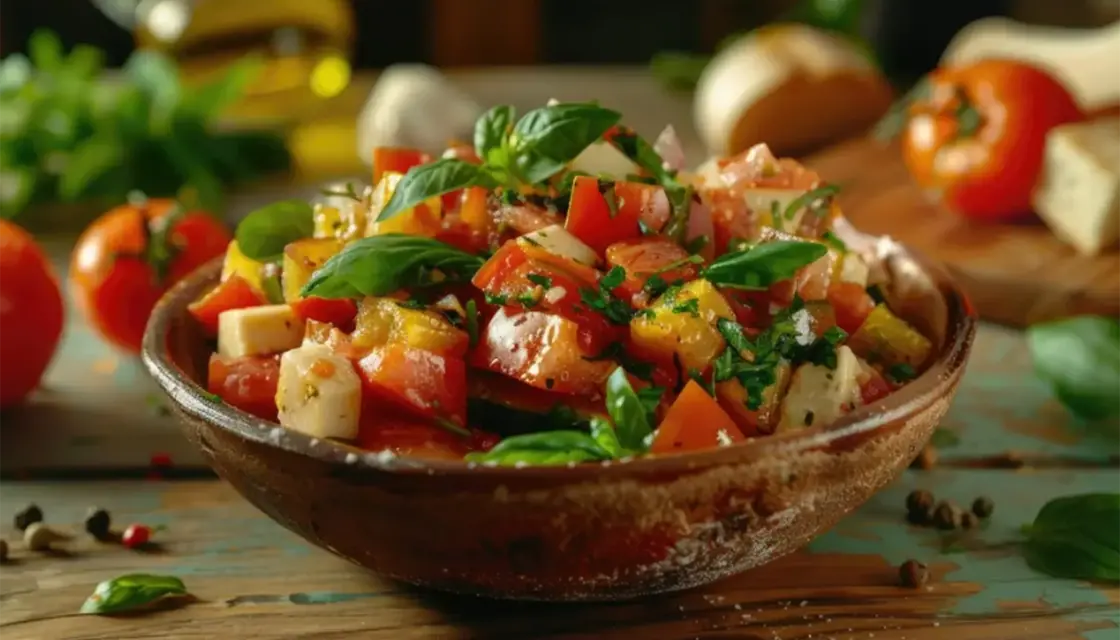
Panzanella Explained: More Than Just Tomatoes, It's a Bread Salad
Imagine a vibrant summer evening, a gentle breeze, and a dish bursting with the sun-kissed flavors of the Mediterranean. That, in essence, is the magic of panzanella salad. Hailing from the heart of Tuscany, this seemingly simple Italian creation is far more complex and delightful than its humble ingredients might suggest. While often associated with ripe, juicy tomatoes, panzanella is, at its core, a celebration of bread – transforming stale loaves into a texturally rich, flavor-packed experience that defies expectations.
The Heart of Panzanella: A Culinary Story of Bread and Necessity
Historically, panzanella emerged from the kitchens of Italian peasants, born out of a practical need to make good use of day-old, dried-out bread. It's a testament to ingenuity and a zero-waste philosophy that predates modern sustainability movements. Far from being an afterthought or a mere garnish, the bread in panzanella is the undeniable star, absorbing the delicious juices of fresh produce and tangy dressing, becoming wonderfully soft yet retaining a satisfying chew.
This concept of a "bread salad" isn't unique to Italy. Across the Mediterranean, various cultures have their own delicious ways of giving leftover bread a new life. Think of the Middle Eastern fattoush, where crispy pita bread is tossed with fresh vegetables, or the Spanish gazpacho, a cold soup where bread thickens and enriches the tomato base. Even hearty Italian soups like ribollita creatively integrate bread. Panzanella fits perfectly into this tradition, showcasing how necessity often sparks culinary brilliance, turning simple staples into sophisticated dishes.
Crafting the Perfect Panzanella: Essential Ingredients and Preparation
While the beauty of panzanella lies in its simplicity, selecting and preparing its core components with care makes all the difference.
The Unsung Hero: Choosing and Preparing Your Bread
The bread is the foundation, so choose wisely. Forget flimsy white bread; you need a substantial, crusty loaf with a dense, chewy crumb. Italian country bread, ciabatta, or even a good quality sourdough are excellent choices. The key is that the bread should be day-old or even older – stale, but not rock-hard. This allows it to absorb the dressing without disintegrating into a soggy mess.
Traditionally, stale bread was briefly soaked in water, then squeezed dry and crumbled or cut. This method works, but a more contemporary and often preferred approach involves drying and toasting the bread. Here's why:
- Drying: Tearing the bread into rustic chunks and letting it sit uncovered for a few hours, or even overnight, helps it firm up and develop a good chew.
- Toasting: Tossing the dried bread with a generous drizzle of good quality extra virgin olive oil and toasting it in the oven for a few minutes creates a delightful texture. The bread becomes crisp on the outside, with a slight chewiness within. This pre-toasting step is crucial because it creates a protective barrier that allows the bread to soak up the dressing's flavors without becoming mushy, providing that perfect balance of softness and bite.
For an even deeper dive into achieving that perfect texture, explore our guide on Perfect Panzanella: Essential Tips for the Best Bread Salad Texture.
The Summer Star: Ripe Tomatoes and Other Fresh Produce
Next to the bread, ripe tomatoes are panzanella's most iconic companion. Seek out tomatoes that are plump, heavy for their size, and firm with a slight give – their skin should be taut and blemish-free. Vine-ripe tomatoes are excellent, but when in season, colorful heirloom varieties add visual appeal and nuanced flavor. If using smaller tomatoes like cherry or grape, be sure to halve them to maximize juice release and ensure they meld well with the other ingredients.
While classic panzanella salad often spotlights tomatoes and fresh basil, remember its peasant origins. This means incorporating other seasonal garden vegetables is perfectly acceptable and even encouraged. Cucumbers add a refreshing crunch, while thinly sliced red onion provides a gentle bite. Bell peppers, zucchini, and even capers can find a welcome home in a panzanella, adding layers of flavor and texture that celebrate the bounty of the season.
The Simple Yet Flavorful Dressing
The dressing for panzanella is refreshingly straightforward, allowing the natural flavors of the produce to shine. It typically consists of:
- Extra Virgin Olive Oil: Use a high-quality, fruity extra virgin olive oil. It's not just a fat; it's a key flavor component.
- Vinegar: Red wine vinegar is traditional and provides a sharp, tangy counterpoint. Balsamic vinegar can also be used for a slightly sweeter, more complex acidity.
- Fresh Basil: Generous amounts of torn fresh basil are non-negotiable, imparting its characteristic sweet, aromatic notes.
- Seasoning: A good pinch of sea salt and freshly ground black pepper to taste. Some recipes might include a minced garlic clove for an extra kick.
The magic of this dressing is how it interacts with the bread and vegetables, creating a harmonious blend where each ingredient contributes to the overall deliciousness.
Beyond Tradition: Modern Twists and Personal Touches
Just like many beloved peasant dishes, panzanella boasts endless variations. While the purist might stick to bread, tomatoes, basil, and a simple dressing, there's ample room for creativity. Many Italian cooks, and home chefs worldwide, enjoy adding their own flourishes:
- Fresh Mozzarella: Cubes of fresh mozzarella or bocconcini add a creamy, mild counterpoint.
- Olives: Kalamata or Castelvetrano olives bring a briny, salty depth.
- Protein Boost: For a more substantial meal, grilled chicken, shrimp, or even canned tuna can be incorporated. The reference even mentions shrimp and zucchini, proving how versatile this dish can be.
- Other Herbs: A touch of fresh oregano, mint, or parsley can introduce new aromatic dimensions.
The key is to respect the spirit of panzanella – a focus on fresh, seasonal ingredients and the transformative power of good bread – while allowing yourself to experiment with what's available and what appeals to your palate.
Assembling Your Panzanella Salad: Tips for Success
Once your ingredients are prepped, assembling a delicious panzanella salad is a breeze. However, a few tips can elevate your creation:
- Layering is Key: In a large bowl, combine your toasted bread chunks, cut tomatoes, and any other vegetables you're using.
- Dress Generously: Drizzle the dressing over everything, ensuring the bread gets a good coating.
- Toss Gently: Use your hands or large salad tongs to gently toss the salad. You want to combine everything without mashing the tomatoes or breaking up the bread too much.
- The Waiting Game: This is crucial. Panzanella benefits immensely from sitting for at least 15-30 minutes before serving. This allows the bread to soak up the juices from the tomatoes and the dressing, softening it to that perfect chewy consistency and melding all the flavors. Avoid letting it sit for too long, though, or the bread might become too soggy.
- Final Touches: Just before serving, toss in the fresh basil leaves. A final drizzle of olive oil and a sprinkle of salt and pepper can brighten the flavors.
Panzanella is best enjoyed at room temperature, making it a perfect make-ahead dish for picnics, potlucks, or a relaxed al fresco meal. It serves beautifully as a light main course, a refreshing side dish, or an elegant starter.
From its humble origins as a peasant dish designed to prevent food waste, the panzanella salad has blossomed into a beloved culinary staple, celebrated for its unique textures and vibrant flavors. It’s a dish that captures the essence of summer, delivering a delightful balance of tangy, savory, and fresh notes in every bite. More than just a simple mix of tomatoes and bread, panzanella is a testament to Italian ingenuity, offering a surprisingly complex and utterly satisfying experience. Ready to embark on your own Tuscan culinary adventure? Dive deeper into crafting this delightful dish with our article, Classic Summer Delight: Crafting the Perfect Tuscan Panzanella.
