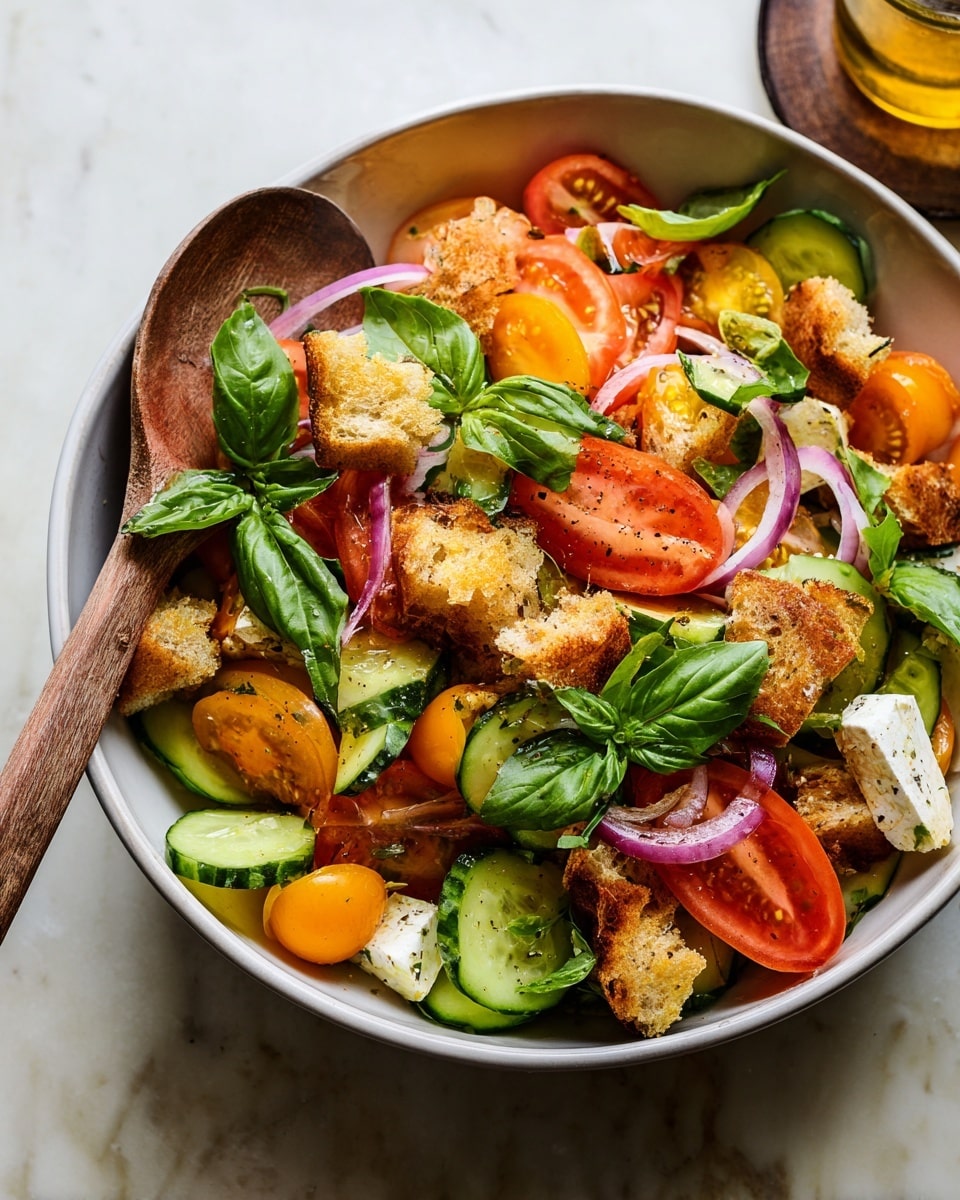
Classic Summer Delight: Crafting the Perfect Tuscan Panzanella
As the temperatures rise and the days stretch longer, our palates naturally gravitate towards lighter, more refreshing meals. Few dishes encapsulate the essence of a Mediterranean summer quite like panzanella salad. Hailing from the sun-drenched hills of Tuscany, this classic Italian bread salad is a testament to the beauty of simple, quality ingredients transformed into something truly extraordinary. Far from being just another side dish, a perfectly crafted panzanella offers a symphony of flavors and textures that can easily steal the show as a light lunch or a vibrant accompaniment to any summer gathering.
At its heart, panzanella is a celebration of ripe tomatoes, fragrant basil, robust olive oil, and, crucially, day-old bread. Yet, for all its apparent simplicity, there's a delightful complexity that unfolds with each bite, proving that sometimes, the most humble ingredients yield the most memorable culinary experiences. It's not merely a salad with croutons; it's a bread salad, where the bread is as much a star as the seasonal vegetables it cradles.
The Humble Origins of a Tuscan Treasure
Like many beloved dishes in Italian cuisine, the panzanella salad was born out of necessity and resourcefulness. A true "cucina povera" (poor kitchen) creation, it provided a delicious way for Tuscan peasants to use up stale bread, preventing waste while creating a nourishing and satisfying meal. This tradition of repurposing leftover bread is a familiar theme across the Mediterranean, evident in dishes like the Middle Eastern fattoush salad, the Spanish gazpacho, or the hearty Italian ribollita soup.
The beauty of such peasant dishes lies in their inherent adaptability. From Florence south to Rome, countless variations of panzanella exist, each region, and indeed each household, adding its unique twist based on available seasonal produce. While we'll focus on the quintessential tomato and basil version today, understanding its flexible nature opens up a world of culinary exploration.
The Heart of Panzanella: Choosing and Preparing Your Bread
The bread is not just an ingredient in panzanella; it is the very foundation. Get this wrong, and your salad risks being either a soggy mess or a hard-to-chew disappointment. The non-negotiable requirement for a truly authentic and delicious panzanella salad is a hefty, day-old country loaf. Think crusty Italian bread, a rustic sourdough, or a good ciabatta – something with a dense, chewy interior and a firm, crunchy crust that can stand up to the dressing without disintegrating.
Traditionally, stale bread would be soaked in water for about 15 minutes, then vigorously wrung out and crumbled by hand. This method softens the bread enough to absorb the dressing while retaining some texture. However, through modern experimentation, many home cooks have discovered an even better technique that elevates the bread's texture to perfection, creating that elusive crisp-chewy balance:
- Tear, Don't Cut: Begin by tearing your day-old bread into rustic, bite-sized chunks. Tearing creates more irregular surfaces, which are ideal for absorbing the dressing and achieving varying textures.
- Dry It Out: For optimal results, allow the torn bread to sit uncovered for several hours or even overnight. This further dries it out, making it primed for the next step.
- Toast with Olive Oil: This is a game-changer. Toss the dried bread pieces generously with good quality extra virgin olive oil. Then, spread them on a baking sheet and toast in the oven for a few minutes until they are lightly golden and crisp on the outside, yet still possess a pleasant chewiness within. This process creates a structural integrity that traditional soaking often misses, allowing the bread to soak up the delicious dressing without becoming overly soggy. Instead, it transforms into tender, flavor-infused morsels.
This careful preparation of the bread is what truly sets a magnificent panzanella salad apart. It ensures that each piece of bread acts as a flavorful sponge, perfectly complementing the fresh vegetables rather than competing with them.
The Supporting Cast: Tomatoes and Other Seasonal Delights
While the bread is the backbone, the vegetables provide the vibrant color and refreshing taste that define panzanella salad. And when it comes to vegetables, ripe tomatoes are undeniably the star of the classic Tuscan version. Look for perfectly ripened tomatoes that are plump, heavy for their size, and firm with a slight give. The skin should be taut and blemish-free, signaling peak ripeness and flavor.
- Tomato Varieties: Vine-ripe tomatoes are always a solid choice for their balanced sweetness and acidity. When heirloom tomatoes are in season, their kaleidoscopic colors and complex flavors can elevate your panzanella to an art form. If using smaller varieties like cherry or grape tomatoes, be sure to halve them to release their juices and ensure even distribution.
- Beyond Tomatoes: While the traditionalists may stick to tomatoes and basil, the beauty of panzanella lies in its flexibility. Don't hesitate to incorporate other seasonal garden vegetables. Crisp cucumbers add a refreshing crunch, red onion provides a sharp counterpoint, and bell peppers can introduce a subtle sweetness. Some modern interpretations even include zucchini or, as mentioned by one culinary expert, shrimp, proving that this "peasant dish" can evolve.
- Fresh Herbs: A generous handful of fresh basil leaves is non-negotiable. Their aromatic, slightly peppery notes are essential for that authentic Italian summer flavor. Parsley or oregano can also be beautiful additions, depending on your preference.
Crafting the Tangy Dressing: The Soul of the Salad
The dressing for panzanella is elegantly simple, allowing the quality of each ingredient to shine. It's a harmonious blend that coats the bread and vegetables, infusing every bite with zesty flavor.
- Extra Virgin Olive Oil: This is where quality truly matters. Opt for a robust, fruity extra virgin olive oil – preferably Italian – that can stand up to the acidity of the vinegar and the freshness of the tomatoes.
- Vinegar: Red wine vinegar is the traditional choice, offering a bright, sharp tang. Balsamic vinegar can also be used for a slightly sweeter, richer complexity, but use it sparingly to avoid overpowering the other flavors.
- Seasoning: A good pinch of sea salt and freshly cracked black pepper are essential. The salt helps draw out the juices from the tomatoes, creating a natural sauce that further flavors the bread.
- Optional Enhancements: For an added layer of flavor, consider whisking in a minced garlic clove, a touch of dried oregano, or a tiny spoonful of honey or maple syrup if your tomatoes aren't particularly sweet.
Whisk all the dressing ingredients together until well combined. Taste and adjust the seasoning as needed – it should be vibrant and well-balanced.
Assembling Your Masterpiece and Serving Suggestions
Once all your components are prepared, assembling your panzanella salad is the final, rewarding step:
- Combine: In a large mixing bowl, combine your toasted bread chunks, chopped tomatoes, any other chosen vegetables (cucumber, red onion, bell peppers), and fresh basil leaves.
- Dress Generously: Pour the prepared dressing over the salad.
- Toss Gently: Use your hands or a large spoon to gently toss all the ingredients, ensuring the bread and vegetables are thoroughly coated in the dressing. Be mindful not to crush the tomatoes.
- Rest and Meld: This step is critical. Allow the panzanella to sit for at least 15-30 minutes at room temperature, or even longer (up to an hour). During this time, the bread will absorb the dressing and the juices released from the tomatoes, and all the flavors will meld and deepen. This resting period transforms the individual ingredients into a cohesive, flavorful whole.
- Optional Additions: Some modern variations, like the one mentioned in our research that includes mozzarella, add a creamy element. If you wish, tear some fresh mozzarella pearls or cubes and gently fold them in just before serving.
Serve your classic Tuscan panzanella salad immediately after the resting period. It makes a fantastic light lunch on its own, a vibrant side dish to grilled chicken or fish, or a stunning addition to any picnic or potluck. While panzanella is best enjoyed fresh, leftovers can be refrigerated for a day, though the bread will continue to soften.
The beauty of panzanella lies in its ability to take simple, readily available ingredients and transform them into a dish that is far greater than the sum of its parts. It's a celebration of summer's bounty, a nod to culinary heritage, and a truly delightful eating experience. So, next time you find yourself with a beautiful bounty of ripe tomatoes and a forgotten loaf of bread, remember the Tuscan classic – a dish that proves that even the most humble ingredients can create a true summer masterpiece.
